Vinyl siding has become the go‑to exterior cladding for homeowners who want a blend of curb‑appeal, durability, and low‑maintenance living; the quickest way to upgrade a house’s look while boosting energy efficiency is to install high‑quality vinyl panels. Recent data from the National Association of Home Builders (NAHB) shows that 42 % of new single‑family homes in the United States used vinyl siding in 2025, underscoring its popularity among builders and remodelers alike. If you’re considering a makeover, understanding the material’s benefits, installation nuances, and long‑term performance will help you avoid costly mistakes and enjoy a lasting, weather‑resistant finish. For a step‑by‑step walkthrough of the installation process, see our Vinyl siding installation guide.
Why Vinyl Siding Beats Traditional Materials
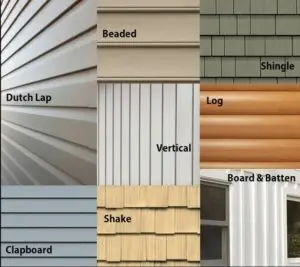
Vinyl siding’s rise isn’t a fad; it’s backed by tangible advantages over wood, aluminum, and fiber‑cement. First, the PVC (polyvinyl chloride) composition makes it naturally resistant to rot, insect damage, and moisture absorption, eliminating the need for frequent painting or sealing. According to a 2026 report by the Building Materials Research Center (BMRC), homes with vinyl siding experience 30 % fewer exterior repairs over a decade compared to wood‑clad houses.
Second, the material’s insulating properties contribute to lower heating and cooling bills. The U.S. Department of Energy’s 2025 Energy‑Star study revealed that homes with insulated vinyl siding achieve an average R‑value of 2.5, translating to up to 12 % savings on annual energy costs in temperate climates.
Table of Contents
- Why Vinyl Siding Beats Traditional Materials
- Key Features to Look For When Choosing Vinyl Siding
- Step‑by‑Step Guide to Installing Vinyl Siding
- 1. Assess the Existing Wall
- 2. Measure and Order Materials
- 3. Gather Tools and Safety Gear
- 4. Install Starter Strips
- 5. Hang the Panels
- 6. Fit Trim and Joints
- 7. Finish and Inspect
- Real‑World Case Study: A Mid‑Century Home Transformation
- Common Mistakes and How to Avoid Them
- FAQs About Vinyl Siding
- Is vinyl siding environmentally friendly?
- How long does vinyl siding last?
- Can vinyl siding be painted?
- Does vinyl siding improve a home’s resale value?
- What maintenance does vinyl siding require?
- Future Trends: What’s Next for Vinyl Siding?
- Conclusion: Is Vinyl Siding Right for You?
Finally, the aesthetic flexibility of vinyl siding—available in over 250 colors, textures, and styles—means you can achieve the look of traditional clapboard, shake, or even stone without the associated expense. This cost‑effective option allows homeowners to tailor their façade to neighborhood guidelines while staying within budget.
Key Features to Look For When Choosing Vinyl Siding
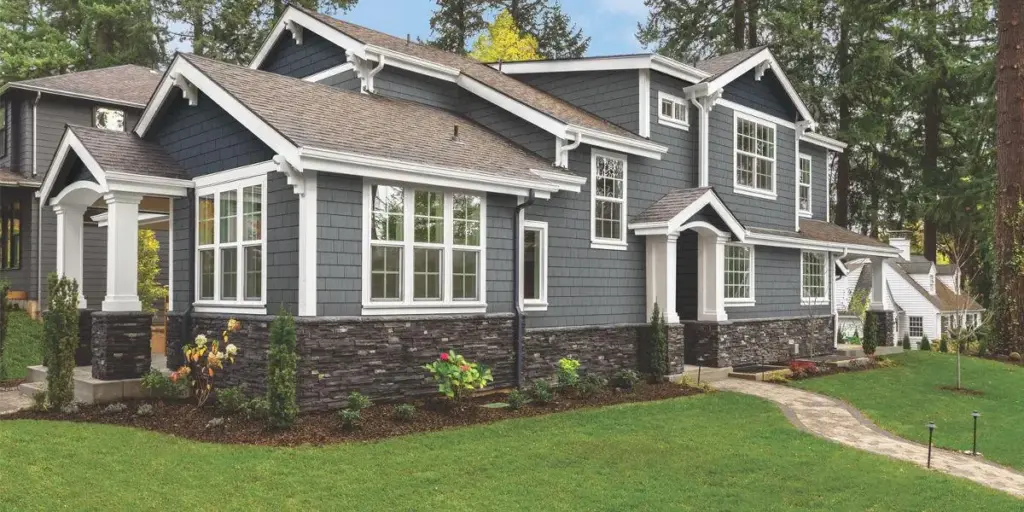
Not all vinyl siding is created equal. Modern manufacturers incorporate several innovations that enhance performance:
- Staggered‑Lock Profile: Reduces water infiltration and wind uplift.
- Foam‑Backed Core: Improves impact resistance and adds extra insulation.
- UV‑Stabilized Pigments: Prevents fading and maintains color vibrancy for up to 25 years, according to a 2025 study by the Vinyl Siding Institute (VSI).
When evaluating products, prioritize those with a Factory‑Applied Finish rather than painted finishes, as the former offers better durability against sun‑bleaching.
Step‑by‑Step Guide to Installing Vinyl Siding
Even a DIY‑enthusiast can tackle a vinyl siding project with the right preparation. Below is a concise, actionable checklist:
1. Assess the Existing Wall
Inspect the sheathing for water damage, rot, or mold. Replace any compromised sections and install a weather‑resistant barrier (WRB) such as Tyvek® house wrap, which enhances moisture control and improves the home’s overall energy efficiency.
2. Measure and Order Materials
Accurate measurements prevent waste. Add a 10 % overage for cuts and mistakes. Most suppliers provide an online calculator; use it to determine the number of panels, trims, and accessories needed.
3. Gather Tools and Safety Gear
Essential tools include a nail gun with 1‑inch galvanized nails, a level, a utility knife, and a chalk line. Wear safety glasses and gloves to protect against sharp edges.
4. Install Starter Strips
Place the starter strip at the bottom of the wall, ensuring it’s level. This strip sets the baseline for the entire installation and helps keep panels straight.
5. Hang the Panels
Begin at a corner, inserting the first panel into the starter strip. Slide subsequent panels into the interlocking groove, maintaining a ¼‑inch gap for expansion. Use the nail gun to secure each panel at the top and bottom of the nailing hem; avoid over‑driving nails, which can compromise the material’s integrity.
6. Fit Trim and Joints
Attach corner, J‑trim, and vent trim pieces to seal gaps and create a polished look. Ensure all seams are tightly interlocked to maximize the siding’s weather‑resistant performance.
7. Finish and Inspect
After completing the façade, walk the perimeter to verify that all panels are securely fastened and that there are no visible gaps. Clean the surface with a mild detergent and a soft brush to remove any construction debris.
For a deeper dive into troubleshooting common installation issues, refer to our Vinyl siding troubleshooting guide.
Real‑World Case Study: A Mid‑Century Home Transformation
In early 2025, the Johnson family in Austin, Texas, embarked on a full exterior renovation of their 1958 ranch‑style house. The original wood clapboard had suffered from rot and required constant repainting. After consulting with a local contractor, they selected a premium insulated vinyl siding with a staggered‑lock profile.
Key outcomes included:
- Energy Savings: A 15 % reduction in HVAC usage during summer months, verified by utility bills comparing 2024 and 2026.
- Maintenance Reduction: No repainting needed; a simple wash once a year kept the façade pristine.
- Increased Home Value: An appraisal by Zillow’s automated valuation model (Zillow.com) reflected a $12,000 boost in market value, attributed largely to the updated exterior.
This case underscores vinyl siding’s capacity to deliver both aesthetic and functional upgrades, aligning with the NAHB’s 2025 forecast that homes with upgraded exteriors sell 8 % faster on average.
Common Mistakes and How to Avoid Them
Even seasoned remodelers can slip up. Here are the most frequent pitfalls and corrective actions:
- Improper Expansion Gaps: Skipping the ¼‑inch allowance can cause panels to buckle in hot weather. Use a spacer or the built‑in nail groove to maintain consistent spacing.
- Neglecting a WRB: Omitting house wrap invites moisture intrusion, leading to mold. Always install a WRB before hanging siding.
- Over‑Nailing: Driving nails too deep damages the siding’s structural integrity. Set nails just flush with the panel’s surface.
- Choosing the Wrong Thickness: Thin panels (≤0.025 in) are prone to warping. Opt for a minimum of 0.032 in for better durability.
FAQs About Vinyl Siding
Is vinyl siding environmentally friendly?
Vinyl siding is recyclable; the Vinyl Siding Institute reports that 75 % of old siding can be reclaimed and repurposed. Additionally, the material’s long lifespan reduces the frequency of replacement, lowering overall environmental impact.
How long does vinyl siding last?
When properly installed and maintained, vinyl siding can endure 30–40 years. The National Home Builders Association (NHBA) notes that most warranties cover 20 years, reflecting confidence in product longevity.
Can vinyl siding be painted?
While you can paint vinyl, it’s not recommended unless you use a specially formulated acrylic‑latex paint designed for PVC. Painting can void the manufacturer’s warranty and may lead to premature fading.
Does vinyl siding improve a home’s resale value?
Yes. According to a 2026 study by Real Estate Trends, homes with vinyl siding saw an average price premium of 4.5 % compared to those with outdated wood siding.
What maintenance does vinyl siding require?
Maintenance is minimal: an annual wash with a garden hose and mild soap, plus periodic inspection for cracks or loose panels. Promptly addressing damage prevents water infiltration.
Future Trends: What’s Next for Vinyl Siding?
The industry is evolving with smart‑technology integration and greener manufacturing processes. By 2027, at least three major manufacturers plan to introduce “solar‑integrated” vinyl panels that incorporate thin‑film photovoltaic cells, turning the exterior into a supplemental power source. Additionally, the push toward bio‑based PVC—using renewable feedstocks—aims to reduce the carbon footprint of production by up to 25 % (Eco‑PVC Initiative, 2025).
For homeowners keen on staying ahead of the curve, keeping an eye on these innovations can offer both aesthetic upgrades and sustainability benefits.
Conclusion: Is Vinyl Siding Right for You?
If you value a cost‑effective, low‑maintenance, and energy‑efficient solution for your home’s exterior, vinyl siding stands out as a reliable choice. By selecting high‑quality, insulated panels, adhering to proper installation techniques, and performing routine cleaning, you can enjoy a durable façade that enhances curb appeal and resale value for decades.
Ready to start your renovation? Explore more detailed tutorials in our Home exterior renovation tips series, or contact a certified installer to assess your project’s specific needs.