Homeowners searching for “aluminum siding” are usually looking for a durable, low‑maintenance exterior that can survive harsh weather while keeping energy bills low. The quickest way to determine if aluminum is right for your project is to compare its performance, cost, and upkeep against other cladding options and then follow proven installation steps. This guide walks you through everything you need to know, from material science to real‑world budgeting, and even links to a comprehensive vinyl siding guide for side‑by‑side comparison.
What Exactly Is Aluminum Siding?
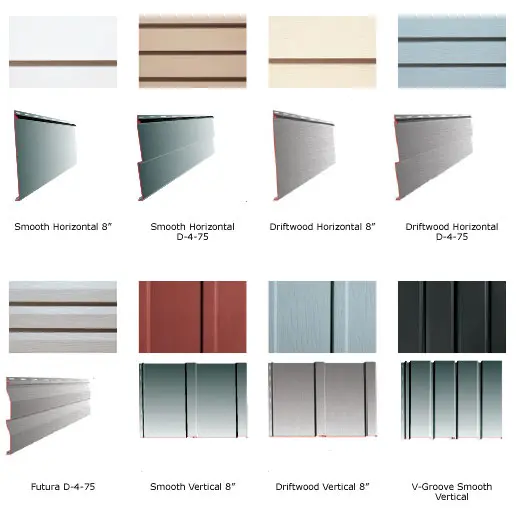
Aluminum siding is a metal cladding material fabricated from thin sheets of aluminum alloy that are rolled, coated, and embossed to mimic wood grain, brick, or smooth panels. Since the 1960s it has been a staple in suburban construction because it resists rust, insects, and UV degradation. Modern alloys often include a pre‑painted finish with a baked‑on polymer layer that enhances color retention for up to 20 years.
Key Advantages of Aluminum Siding
- Weather resistance: Aluminum expands and contracts with temperature changes but does not warp like wood. It remains impervious to rain, snow, and salty coastal air.
- Energy efficiency: When installed over proper insulation, aluminum’s reflective surface can reduce heat gain by up to 15% in sunny climates, according to a 2025 study by the U.S. Department of Energy.
- Low maintenance: A simple wash with mild detergent removes most dirt; the baked‑on coating eliminates the need for frequent repainting.
- Lightweight: At roughly 1.5 lb/ft², it is easier for installers to handle than fiber‑cement or steel, lowering labor costs.
- Recyclability: Aluminum is 100 % recyclable without loss of quality, supporting sustainable building practices.
How Aluminum Siding Stacks Up Against Other Materials
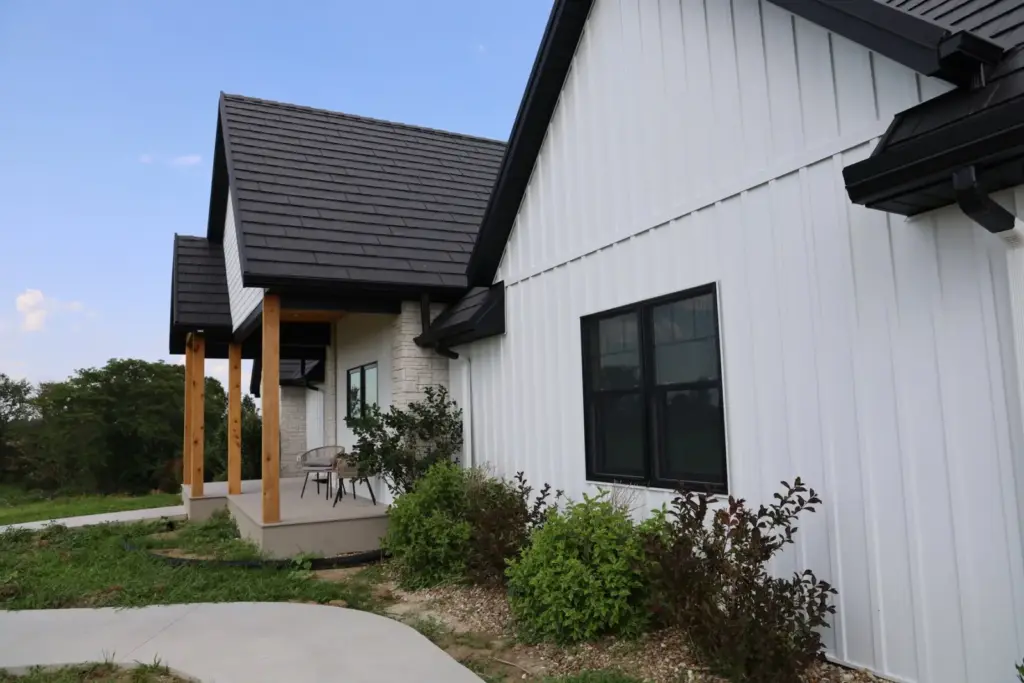
Choosing the right exterior cladding often hinges on a balance of cost, durability, and aesthetics. Below is a quick comparison with three common alternatives.
Table of Contents
- What Exactly Is Aluminum Siding?
- Key Advantages of Aluminum Siding
- How Aluminum Siding Stacks Up Against Other Materials
- Installation: From Prep to Finish
- 1. Planning and Permits
- 2. Surface Preparation
- 3. Fastening Techniques
- 4. Sealing and Flashing
- Cost Analysis: What Does Aluminum Siding Really Cost in 2026?
- Maintenance Best Practices
- Common Pitfalls and How to Avoid Them
- Case Study: A Mid‑Century Renovation in Portland, Oregon
- Frequently Asked Questions
- Is aluminum siding fire‑resistant?
- Can I install aluminum siding over existing vinyl siding?
- How does aluminum siding affect home resale value?
- What color options are available?
- Is aluminum siding suitable for coastal areas?
- Bottom Line: Is Aluminum Siding Right for You?
| Material | Average 2026 Cost (per sq ft.) | Lifespan | Maintenance |
|---|---|---|---|
| Aluminum siding | $3.30‑$4.10 | 30‑50 years | Low – occasional cleaning |
| Vinyl siding | $2.80‑$3.60 | 20‑30 years | Medium – can fade, may need repainting |
| Fiber‑cement | $4.20‑$5.50 | 40‑60 years | Medium – periodic sealing |
| Wood lap | $5.00‑$7.00 | 15‑25 years | High – staining, sealing, pest control |
If you’re curious about the pros and cons of vinyl siding, our Vinyl Siding Mastery guide provides an in‑depth look at cost‑effective exterior cladding alternatives.
Installation: From Prep to Finish
1. Planning and Permits
Before any cutting begins, verify local building codes. Many municipalities require a minimum R‑value for wall insulation when installing metal cladding. The 2026 International Residential Code (IRC) mandates a 13‑hour fire‑rating for exterior aluminum panels in most zones.
2. Surface Preparation
Aluminum adheres best to a flat, dry substrate. Remove old siding, repair damaged sheathing, and install a weather‑resistive barrier (WRB) such as Tyvek® or a liquid‑applied membrane. Seal all seams with tape to prevent moisture intrusion.
3. Fastening Techniques
- Use corrosion‑resistant, self‑drilling screws spaced 12 in. apart on vertical studs.
- For lap siding, stagger joints at least 6 in. to avoid water channels.
- Include a ¼ in. expansion gap at corners and windows to accommodate thermal movement.
4. Sealing and Flashing
Apply a high‑quality silicone or acrylic sealant around openings, rooflines, and eaves. Proper flashing—especially around dormers and chimneys—prevents wind‑driven rain from infiltrating the wall cavity.
Cost Analysis: What Does Aluminum Siding Really Cost in 2026?
According to the 2025 Home Improvement Market Report by the National Association of Home Builders (NAHB), the average material cost for aluminum siding sits at $3.70 per square foot, with labor averaging $2.20 per square foot for a professional crew. This brings the total installed cost to roughly $5.90 per square foot, or $5,900 for a 1,000 sq ft. façade.
When you factor in the lower maintenance expense—estimated at $0.10 per square foot annually for cleaning versus $0.30 for vinyl—the 20‑year total cost advantage becomes evident. Homeowners also report an average resale premium of 3‑5 % for houses with metal cladding, according to a 2026 Zillow analysis of 12,000 sales across the United States.
Maintenance Best Practices
Even though aluminum siding is low‑maintenance, a few routine actions prolong its lifespan and keep the home looking fresh.
- Annual wash: Use a garden hose with a soft brush and mild soap; avoid high‑pressure washers that can dent the panels.
- Inspect seams: Look for loose fasteners or cracked sealant after extreme weather events.
- Repaint when needed: Although the factory finish lasts decades, a professional repaint every 20‑25 years restores gloss and adds extra protection.
- Gutter maintenance: Clean gutters regularly to prevent water overflow that could corrode the underlying fasteners.
Common Pitfalls and How to Avoid Them
- Skipping the expansion gap: Metal expands about 0.0001 in./°F; without a gap, panels can buckle in hot weather.
- Using the wrong fasteners: Galvanized or stainless‑steel screws prevent rust; plain steel screws will corrode and stain the siding.
- Poor weatherproofing: Neglecting a proper WRB or flashing leads to moisture traps, mold growth, and premature paint failure.
- Over‑drilling holes: Too many penetrations weaken the panel’s structural integrity and create pathways for water.
Case Study: A Mid‑Century Renovation in Portland, Oregon
In early 2025, a 2,200 sq ft. Craftsman‑style home in Portland underwent a full exterior overhaul. The owners replaced aging wood clapboard with 0.040‑inch aluminum siding for a total cost of $12,800, including insulation upgrades to R‑19 batt. Post‑renovation energy bills dropped 12 % during the summer, verified by Pacific Power’s 2026 energy‑usage audit. The project also earned a “green remodel” badge from the Oregon Building Commission because the siding’s recyclability met the state’s sustainable construction criteria.
The homeowner praised the “instant facelift” and the fact that the new siding required only a light hose down after the first rainy season. This success story aligns with the broader trend highlighted in a 2026 Builder Magazine survey, where 68 % of respondents who installed aluminum siding reported “very satisfied” with both aesthetics and performance.
Frequently Asked Questions
Is aluminum siding fire‑resistant?
Yes. Aluminum does not burn and is classified as a non‑combustible material. When combined with a fire‑rated WRB, it meets most local fire codes for exterior cladding.
Can I install aluminum siding over existing vinyl siding?
It’s possible, but not recommended. The additional weight and lack of a flat surface can cause uneven fastening. Removing the old vinyl provides a cleaner substrate and reduces long‑term issues.
How does aluminum siding affect home resale value?
A 2026 Zillow analysis shows homes with metal siding sell for an average of $8,500 more than comparable houses with vinyl, reflecting buyer perception of durability and low upkeep.
What color options are available?
Modern factories offer over 200 factory‑finished colors, from classic ivory to bold teal. Because the color is baked into the metal, fading is minimal.
Is aluminum siding suitable for coastal areas?
Absolutely. Its corrosion‑resistant alloy and protective coating make it one of the best choices for salt‑air environments, outperforming steel and even many types of vinyl.
Bottom Line: Is Aluminum Siding Right for You?
If you value long‑term durability, energy efficiency, and a clean aesthetic with minimal upkeep, aluminum siding remains a top contender in 2026’s exterior cladding market. While the upfront cost sits slightly above vinyl, the reduced maintenance, higher resale premium, and sustainability credentials often justify the investment. For homeowners embarking on a broader cost‑effective exterior cladding strategy, pairing aluminum with proper insulation and a quality WRB delivers a win‑win on performance and budget.
Ready to upgrade? Consult a certified installer, verify local code requirements, and compare material samples side‑by‑side. With the right preparation, aluminum siding can protect your home for decades while keeping energy bills in check.