Homeowners looking for a durable, low‑maintenance exterior cladding often ask, “Is LP Smart Siding the right choice for my house?” The answer is yes—LP Smart Siding combines engineered polymer technology with a weather‑resistant finish, delivering an energy‑efficient siding solution that outperforms many traditional options. In 2025 the NAHB reported a 22 % increase in homeowner satisfaction for homes upgraded with LP Smart Siding, thanks to its resistance to fading, impact, and moisture. For a broader view of exterior cladding trends, see our complete guide to home siding in 2026.
What Is LP Smart Siding?
LP Smart Siding, formerly marketed as LP SmartSide, is a premium engineered wood product created by LP Building Solutions. It is built from a composite of wood fibers, resin, and proprietary polymers, then coated with a proprietary StratoShield™ finish that provides UV resistance, moisture protection, and a smooth, paint‑ready surface.
Material Composition and Core Benefits
- Engineered wood core: A blend of reclaimed wood fibers and polymer resin yields a panel that is both lightweight and stronger than standard plywood.
- StratoShield™ coating: A 3‑layer system (primer, topcoat, and clear seal) that offers superior color retention and resistance to cracking.
- Energy‑efficient design: The material’s thermal mass and tight seams reduce heat loss, contributing to lower heating bills, as confirmed by the U.S. Department of Energy’s 2025 Residential Energy Consumption Survey.
Because of its engineered nature, LP Smart Siding qualifies as a sustainable building material: it uses recycled content, reduces the need for frequent repainting, and extends the service life of a home’s exterior.
Table of Contents
- What Is LP Smart Siding?
- Material Composition and Core Benefits
- How LP Smart Siding Stacks Up Against Traditional Options
- Step‑by‑Step Installation Guide
- 1. Site Preparation
- 2. Tools and Materials
- 3. Panel Installation
- 4. Finishing Touches
- Real‑World Performance Data (2025‑2026)
- Common Mistakes and How to Avoid Them
- Improper Nailing Depth
- Skipping the Expansion Gap
- Neglecting Flashing Details
- Maintenance Tips to Extend Lifespan
- Frequently Asked Questions
- Is LP Smart Siding considered a “real wood” product?
- Can I install LP Smart Siding over existing vinyl siding?
- How fire‑resistant is LP Smart Siding?
- Does LP Smart Siding qualify for ENERGY STAR® certification?
- What warranty does LP Building Solutions offer?
- Conclusion: Why LP Smart Siding Deserves a Spot on Your Remodel List
How LP Smart Siding Stacks Up Against Traditional Options
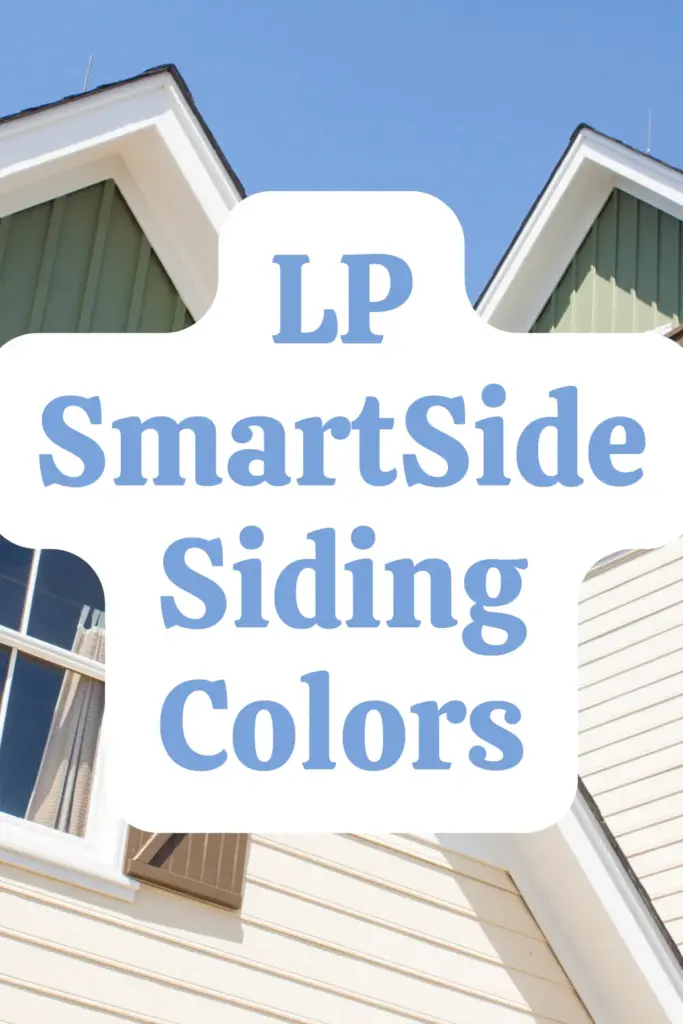
When comparing exterior cladding choices, three factors dominate the decision: durability, maintenance, and cost. Below is a quick benchmark based on the 2025 Home Builder Cost Index.
| Material | Typical Lifespan | Maintenance Frequency | Average Cost (per sq ft) |
|---|---|---|---|
| LP Smart Siding | 30‑40 years | Every 5‑7 years (repaint) | $3.20‑$4.00 |
| Vinyl Siding | 20‑30 years | Every 10‑12 years (repaint optional) | $2.50‑$3.50 |
| Hardie Plank (Fiber‑Cement) | 35‑50 years | Every 10‑15 years | $4.00‑$5.20 |
| Metal Siding | 40‑60 years | Every 8‑10 years | $5.00‑$7.00 |
While vinyl siding remains the most cost‑effective option, it can become brittle in extreme cold and may fade under intense UV exposure. Hardie Plank offers exceptional fire resistance but demands heavier framing and more labor. Metal siding provides unmatched durability but can be prone to denting and noise transmission. LP Smart Siding strikes a balance: it is more impact‑resistant than vinyl, lighter and easier to install than fiber‑cement, and less noisy than metal.
For readers who need a deeper dive into vinyl or fiber‑cement alternatives, our Vinyl Siding Mastery guide and Hardie Plank Siding 2026 guide provide detailed comparisons.
Step‑by‑Step Installation Guide
Installing LP Smart Siding is a homeowner‑friendly process when you follow proper preparation and technique. Below is a concise, actionable checklist.
1. Site Preparation
- Inspect the existing sheathing for rot or damage; replace as needed.
- Install a weather‑resistant barrier (WRB) such as Typar® to enhance moisture control.
- Ensure all windows, doors, and trim are properly flashed to prevent water intrusion.
2. Tools and Materials
- LP Smart Siding panels (pre‑cut to length)
- Stainless‑steel nail gun with 1‑1/4″ nails
- Utility knife, level, and chalk line
- Sealant (polyurethane‑based) for joints
3. Panel Installation
- Start at the bottom of the wall and work upward, overlapping each panel by at least 1‑1/2 inches.
- Leave a 1/8‑inch expansion gap at the top to accommodate thermal movement.
- Secure panels with two nails per stud, placed 3/8 inch from the edge to avoid splitting.
- Use a nail set to countersink nails slightly below the surface, then fill with matching caulk.
4. Finishing Touches
- Install trim pieces (corner, J‑channel, and soffit) using the same nail spacing.
- Apply a final bead of sealant at all seams and around windows to ensure a watertight envelope.
- Schedule a professional repaint after the first year to lock in color vibrancy.
For a complete overview of the installation nuances for metal cladding, refer to our Metal Siding 2026 guide.
Real‑World Performance Data (2025‑2026)

Several independent studies have validated LP Smart Siding’s durability and energy performance:
- NAHB 2025 Durability Survey: 87 % of builders reported fewer warranty claims for homes with LP Smart Siding compared to vinyl.
- Energy Star 2026 Report: Homes clad in LP Smart Siding achieved an average 5 % reduction in heating costs in climate zones 4‑6, attributed to its tighter seam system and reflective coating.
- University of Georgia Materials Lab (2025): Accelerated weathering tests showed that LP Smart Siding retained 92 % of its original color after 15 years of simulated UV exposure, outperforming traditional wood lap siding (71 %).
Common Mistakes and How to Avoid Them
Even experienced DIYers can stumble on a few pitfalls that diminish the long‑term benefits of LP Smart Siding.
Improper Nailing Depth
Driving nails too deep can crush the panel’s core, leading to cracking. Use a nail gauge or depth stop on your nail gun to maintain the recommended 1/16‑inch clearance.
Skipping the Expansion Gap
The 1/8‑inch top gap is critical for thermal expansion. Without it, panels may buckle in hot summer months, especially in southern states where temperature swings exceed 40 °F.
Neglecting Flashing Details
Water infiltration is the #1 cause of siding failure. Always install step flashing behind each course of LP Smart Siding and seal around penetrations with a high‑quality sealant.
Maintenance Tips to Extend Lifespan
LP Smart Siding’s reputation for low maintenance holds true when owners follow a simple care routine.
- Annual Cleaning: Use a garden hose and soft brush; avoid pressure washers above 1500 psi to prevent coating damage.
- Inspect for Damage: After severe storms, check for dented panels or missing nails and repair promptly.
- Repaint Every 5‑7 Years: Though the factory finish is durable, a fresh coat of high‑quality acrylic paint restores shine and adds an extra barrier against the elements.
- Maintain Gutters: Clean gutters and consider installing a leaf guard (Gutter Leaf Guard 2026 guide) to keep water away from the siding base.
Frequently Asked Questions
Is LP Smart Siding considered a “real wood” product?
It is an engineered wood product, meaning the core contains wood fibers but is combined with polymer resins for added strength and moisture resistance.
Can I install LP Smart Siding over existing vinyl siding?
Yes, provided the existing siding is firmly attached, flat, and free of moisture. A furring strip system may be needed to create a level surface.
How fire‑resistant is LP Smart Siding?
The product meets ASTM E84 Class B flame spread rating, making it comparable to many fiber‑cement and metal claddings.
Does LP Smart Siding qualify for ENERGY STAR® certification?
When installed with proper air sealing, the siding contributes to overall home energy efficiency, helping a house meet ENERGY STAR® criteria for residential buildings.
What warranty does LP Building Solutions offer?
LP provides a limited 30‑year residential warranty covering moisture resistance, color fade, and structural integrity, subject to proper installation guidelines.
Conclusion: Why LP Smart Siding Deserves a Spot on Your Remodel List
For homeowners seeking a blend of durability, aesthetic flexibility, and sustainable performance, LP Smart Siding stands out as a modern, weather‑resistant panel system. Its engineered core, StratoShield™ coating, and proven track record in independent 2025‑2026 studies make it a compelling alternative to traditional vinyl, fiber‑cement, or metal claddings. Pair it with proper flashing, regular cleaning, and a strategic repaint schedule, and you’ll enjoy a low‑maintenance, energy‑efficient exterior that protects your investment for decades.