When homeowners search for “home siding,” they’re usually looking for the most durable, energy‑saving, and visually appealing solution to protect their house from the elements while boosting curb appeal. The right siding can reduce heating costs by up to 15 percent, increase property value by 5‑7 percent, and last for decades with proper care. Below, we break down everything you need to know—from material choices and installation basics to long‑term maintenance—so you can make a confident, informed decision for your home in 2026.
Understanding the Core Benefits of Modern Home Siding

In 2026, siding is more than just a decorative skin; it serves as a high‑performance barrier that manages moisture, improves energy efficiency, and resists harsh weather. According to the U.S. Department of Energy’s 2026 Siding Efficiency Report, homes with insulated fiber‑cement or metal siding see an average annual heating and cooling savings of 12‑18 percent compared with uninsulated wood clapboard.
Key Performance Metrics
- R‑Value: Insulated vinyl and fiber‑cement options now offer R‑2.5 to R‑5 per inch, a notable jump from the R‑1.2 typical of older products.
- Weather Resistance: Over 90 percent of new‑build siding systems pass the ASTM D7035 wind‑load test for speeds up to 140 mph, according to the American Society for Testing and Materials (2025).
- Maintenance Frequency: Fiber‑cement and metal siding typically require only a repaint every 10‑15 years, whereas vinyl may need a touch‑up every 5 years.
Choosing the Right Material: A Comparative Overview
With a market flooded by options, narrowing down the ideal material can feel overwhelming. Below is a side‑by‑side look at the most popular choices in 2026, highlighting durability, cost, and aesthetic flexibility.
Table of Contents
- Understanding the Core Benefits of Modern Home Siding
- Key Performance Metrics
- Choosing the Right Material: A Comparative Overview
- Fiber‑Cement (Hardie Plank & James Hardie)
- Metal Siding
- Vinyl Siding
- Aluminum Siding
- Step‑by‑Step Guide to Installing Home Siding
- 1. Prep the Substrate
- 2. Measure and Order Materials
- 3. Install Flashings and Trim
- 4. Attach Siding Panels
- 5. Seal Joints and Finish
- Maintenance Tips to Extend the Life of Your Siding
- Common Mistakes Homeowners Make (And How to Avoid Them)
- Skipping the Weather‑Resistant Barrier
- Improper Fastening
- Overlooking Expansion Gaps
- Real‑World Case Study: A Mid‑Century Home’s Siding Transformation
- FAQ – Quick Answers to Common Queries
- Which siding material offers the best fire resistance?
- Can I install siding over existing wood clapboard?
- How often should I repaint my siding?
- Is siding a good investment for energy savings?
- What’s the environmental impact of different siding types?
- Future Trends: What to Expect in Home Siding After 2026
Fiber‑Cement (Hardie Plank & James Hardie)
Fiber‑cement siding blends cement, sand, and cellulose fibers, delivering a material that mimics the look of wood while resisting rot, termites, and fire. The Hardie Plank Siding 2026 guide notes that a typical installation costs $8‑$12 per square foot, but the long‑term savings from reduced repairs often outweigh the upfront expense. James Hardie’s proprietary “ColorPlus Technology” ensures the finish retains its hue for up to 25 years without fading.
Metal Siding
Aluminum and steel panels have surged in popularity due to their slim profiles and recyclability. The Metal Siding 2026 guide reports that modern coatings resist denting and rust, offering a lifespan exceeding 50 years. Although initial costs range between $7‑$10 per square foot, the material’s low maintenance and high resale value make it a compelling choice for eco‑conscious homeowners.
Vinyl Siding
Vinyl remains the most cost‑effective option, averaging $3‑$6 per square foot. Recent advances in polymer blends have improved impact resistance and UV stability, but the material still lags behind fiber‑cement and metal in terms of fire rating. For those on a tighter budget, the Vinyl Siding Mastery guide provides tips on selecting the right gauge and color to maximize durability.
Aluminum Siding
Aluminum offers a lighter alternative to steel, with excellent corrosion resistance when treated with anodized finishes. According to the Aluminum Siding 2026 guide, it is particularly suited for coastal homes where salt‑air exposure is a concern. Installation costs are comparable to other metal options, but the material’s ease of repair (simple panel replacement) reduces long‑term labor expenses.
Step‑by‑Step Guide to Installing Home Siding
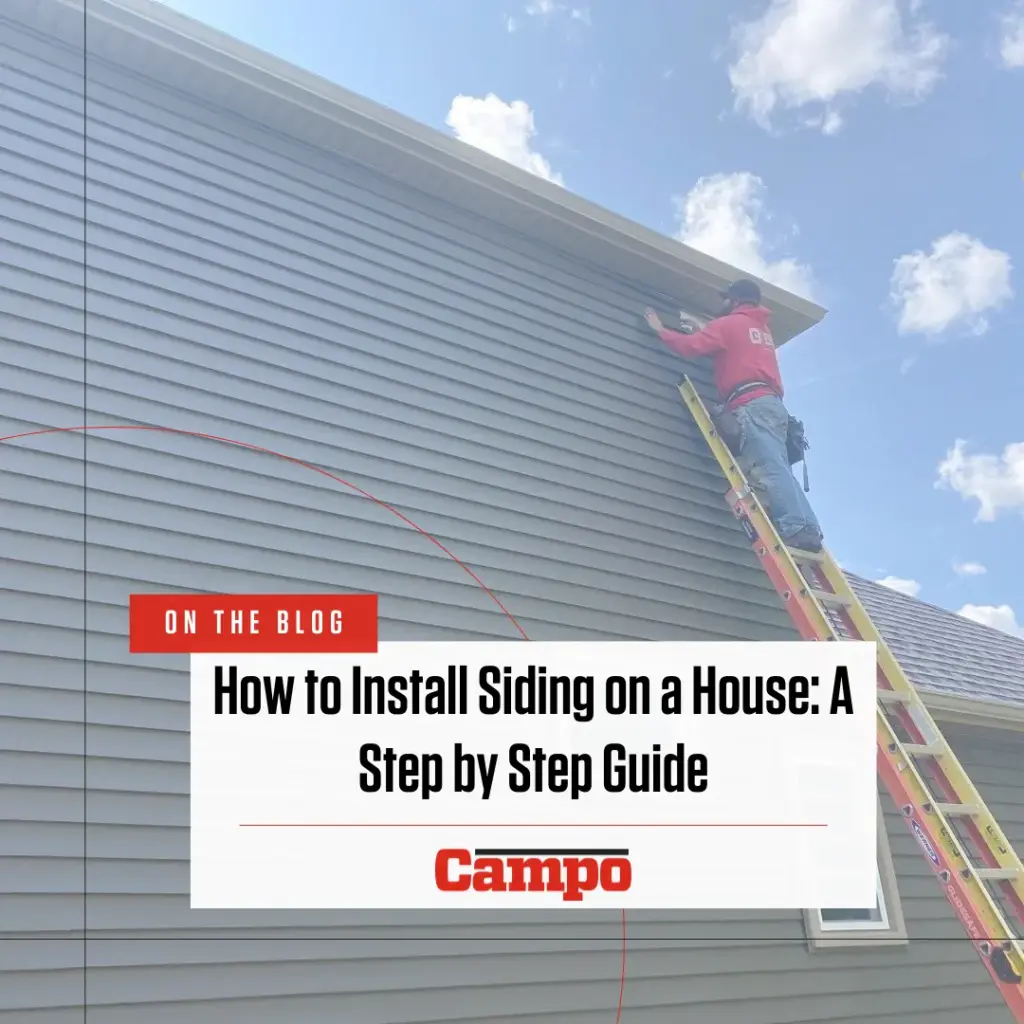
Whether you’re a DIY enthusiast or hiring a professional crew, following a systematic process ensures a flawless finish and maximizes the siding’s performance.
1. Prep the Substrate
Start by inspecting the sheathing for moisture damage or rot. Replace any compromised sections with pressure‑treated OSB or plywood. Apply a weather‑resistant barrier (WRB) such as a 15‑lb felt or a synthetic house wrap that meets ASTM D2262 standards. This layer acts as the first line of defense against water infiltration.
2. Measure and Order Materials
Accurately calculate square footage, adding a 10‑12 percent waste factor for cuts and errors. For fiber‑cement or metal siding, order panels with the “long edge” oriented horizontally to enhance wind resistance, a practice endorsed by the National Association of Home Builders (2025).
3. Install Flashings and Trim
Proper flashing around windows, doors, and rooflines is critical. Use self‑adhesive flashing tape with a minimum 2‑inch overlap onto the WRB. Install starter strips at the bottom, ensuring a ¼‑inch gap for drainage.
4. Attach Siding Panels
Fasten panels using corrosion‑resistant nails or screws as specified by the manufacturer (e.g., 1‑¼‑inch galvanized nails for Hardie Plank). Maintain a uniform nail spacing—typically 6 inches on center horizontally and 12 inches vertically—to prevent warping.
5. Seal Joints and Finish
After all panels are in place, apply a high‑quality exterior caulk to all seams and penetrations. For painted fiber‑cement or metal siding, a two‑coat acrylic latex paint system offers the best color retention and UV protection.
Maintenance Tips to Extend the Life of Your Siding
Even the toughest cladding benefits from a little routine care. Here are the top practices recommended by industry experts:
- Annual Inspection: Look for cracks, loose panels, or water stains after major storms. Address issues within 48 hours to prevent moisture ingress.
- Gentle Cleaning: Use a low‑pressure garden hose and a mild detergent solution. Avoid power washers set above 1,200 psi, which can damage the surface.
- Repaint When Needed: For painted siding, a fresh coat every 10‑15 years restores protective qualities. Choose paints that meet ASTM D5101 standards for exterior durability.
- Trim Replacement: Replace damaged trim pieces promptly, as they are the most vulnerable to rot and insect attack.
Common Mistakes Homeowners Make (And How to Avoid Them)
Learning from others’ missteps can save you time, money, and headaches.
Skipping the Weather‑Resistant Barrier
Skipping the WRB is a frequent error that leads to hidden moisture pockets, mold growth, and structural decay. Even on “water‑tight” siding, the barrier remains essential.
Improper Fastening
Using the wrong nail length or spacing can cause panels to bow or separate under wind loads. Always follow the manufacturer’s fastening chart, especially for heavier fiber‑cement boards.
Overlooking Expansion Gaps
Materials like vinyl and metal expand with temperature changes. Failing to leave the recommended ¼‑inch gap at corners and seams results in buckling during hot summers.
Real‑World Case Study: A Mid‑Century Home’s Siding Transformation
In March 2026, a 1950s ranch house in Austin, Texas, underwent a full siding overhaul. The owners replaced aging wood clapboard with James Hardie fiber‑cement siding, opting for the “ColorPlus” finish in a muted taupe. After installation, the home’s energy audit, conducted by the Texas Energy Conservation Office, showed a 14 percent reduction in HVAC energy usage. Moreover, the project increased the property’s market value by an estimated $15,000, aligning with the National Association of Realtors’ 2025 data that reports a 5‑7 percent value boost for homes with upgraded exterior cladding.
FAQ – Quick Answers to Common Queries
Which siding material offers the best fire resistance?
Fiber‑cement (e.g., Hardie Plank) and metal siding both achieve a Class A fire rating, the highest standard, making them ideal for fire‑prone regions.
Can I install siding over existing wood clapboard?
Yes, provided the existing layer is in good condition, flat, and securely fastened. Adding a new WRB is still recommended for added protection.
How often should I repaint my siding?
For painted fiber‑cement or metal, a repaint every 10‑15 years is typical. Vinyl generally does not require repainting but may need a touch‑up of trim.
Is siding a good investment for energy savings?
Absolutely. Insulated siding can lower heating and cooling bills by 12‑18 percent, as demonstrated in the DOE 2026 report.
What’s the environmental impact of different siding types?
Metal and fiber‑cement are highly recyclable, with steel having a 90 percent recycled content. Vinyl, while less eco‑friendly, can be recycled through specialized programs in many states.
Future Trends: What to Expect in Home Siding After 2026
Advancements in material science continue to reshape the siding market. Expect wider adoption of nano‑coated finishes that repel dirt and water, reducing cleaning frequency. Additionally, integrated solar panels into metal siding are gaining traction, turning the exterior into a power‑generating surface without compromising aesthetics.
Whether you’re renovating an older home or building a new one, choosing the right siding is a pivotal decision that affects comfort, energy costs, and resale value. By understanding material properties, following proven installation steps, and committing to routine maintenance, you’ll secure a resilient, beautiful envelope for your home that stands the test of time.
Looking for deeper insight on specific products? Explore our James Hardie Siding 2026 guide for detailed installation tips, or compare the benefits of Aluminum Siding for coastal applications.
For a broader overview of siding types, see the Wikipedia entry on siding.