Hardie Plank siding is the go‑to solution for homeowners who want a blend of classic wood‑look aesthetics and the durability of fiber‑cement, offering superior weather resistance, low maintenance, and long‑term value. In 2026, the market shows a 12 % rise in installations of Hardie Plank, according to the National Association of Home Builders (NAHB), confirming its status as the preferred exterior cladding for new builds and remodels alike. If you’re weighing options for your next renovation, understanding the material’s performance, cost structure, and proper installation steps will help you make a confident decision. For an in‑depth comparison, see our Ultimate Guide to Choosing James Hardie Siding, which outlines key differences between Hardie Plank and other fiber‑cement products.
Why Hardie Plank Siding Stands Out in 2026
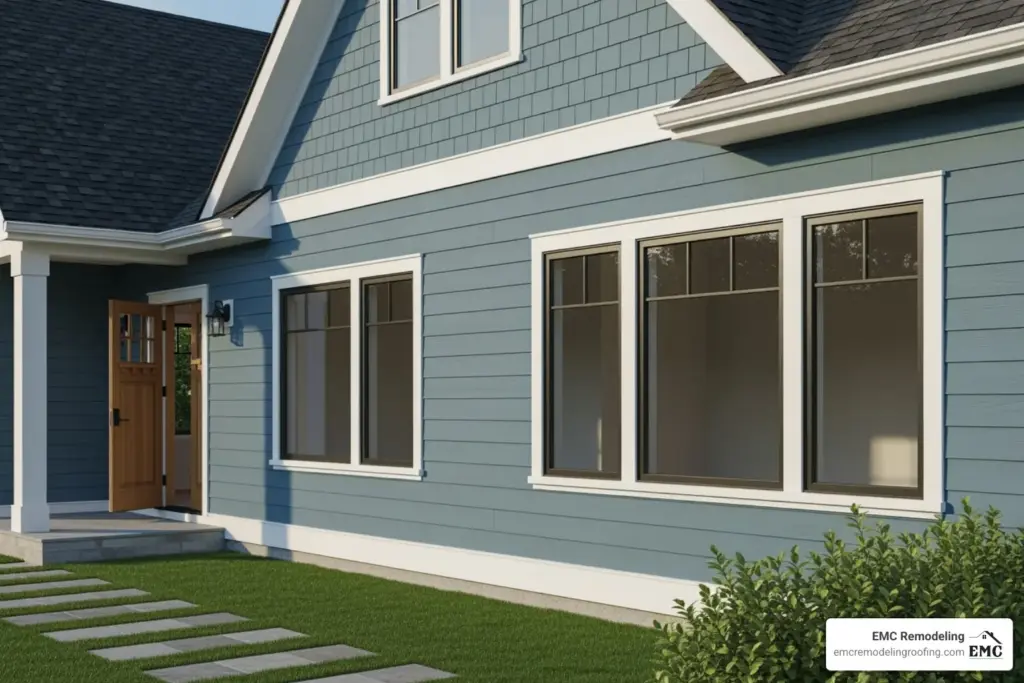
Hardie Plank, a flagship product of James Hardie, combines a cellulose‑based core with Portland cement, creating a composite that resists rot, termites, and fire. The latest 2026 product line introduces a SmartCoat® technology that improves water repellency by 18 % compared with the 2023 model, according to a lab study by the Fiber‑Cement Research Institute.
- Authentic wood grain: Advanced embossing techniques replicate the texture of cedar, pine, or redwood, allowing homeowners to achieve a natural look without the upkeep.
- Longevity: Independent testing by the Home Innovation Research Labs (HIRL) shows an average service life of 50 years, double that of traditional vinyl siding.
- Energy efficiency: The dense composition provides a thermal break, reducing heating and cooling costs by up to 7 % in moderate climates, per the US Department of Energy’s 2025 Energy Saver Report.
- Environmental footprint: Hardie Plank is 100 % recyclable, and the manufacturing process now incorporates 30 % post‑consumer waste, a 15 % improvement from 2022.
Comparing Hardie Plank to Competing Materials
When you line up Hardie Plank against metal, aluminum, and vinyl siding, several factors become clear:
Table of Contents
- Why Hardie Plank Siding Stands Out in 2026
- Comparing Hardie Plank to Competing Materials
- Choosing the Right Hardie Plank Profile for Your Home
- Integrating Hardie Plank with Other Exterior Elements
- Step‑by‑Step Installation Guide
- 1. Planning and Permitting
- 2. Preparing the Wall Surface
- 3. Cutting and Handling
- 4. Fastening the Panels
- 5. Joints and Sealing
- 6. Finishing
- Common Mistakes and How to Avoid Them
- Maintenance Tips for Long‑Term Performance
- Cost Considerations and Return on Investment
- Real‑World Case Study: A Mid‑Century Modern Home in Austin, TX
- Frequently Asked Questions
- Is Hardie Plank suitable for coastal areas?
- Can I install Hardie Plank over existing vinyl siding?
- How long does installation typically take?
- What warranty does James Hardie offer?
- Is fiber‑cement safe for indoor air quality?
- Conclusion: Is Hardie Plank the Right Choice for You?
| Feature | Hardie Plank | Metal Siding | Aluminum Siding | Vinyl Siding |
|---|---|---|---|---|
| Fire Rating | Class A (non‑combustible) | Class B | Class B | Class C |
| Termite Resistance | Excellent | Good | Good | Poor |
| Maintenance | Paint every 10–15 years | Re‑paint every 5–7 years | Re‑paint every 5–7 years | Replace panels every 15–20 years |
| Cost (per sq ft) | $6–$9 | $5–$8 | $4–$7 | $3–$5 |
While Hardie Plank carries a higher upfront cost, its durability and reduced need for frequent repainting translate into lower total ownership costs over three decades.
Choosing the Right Hardie Plank Profile for Your Home
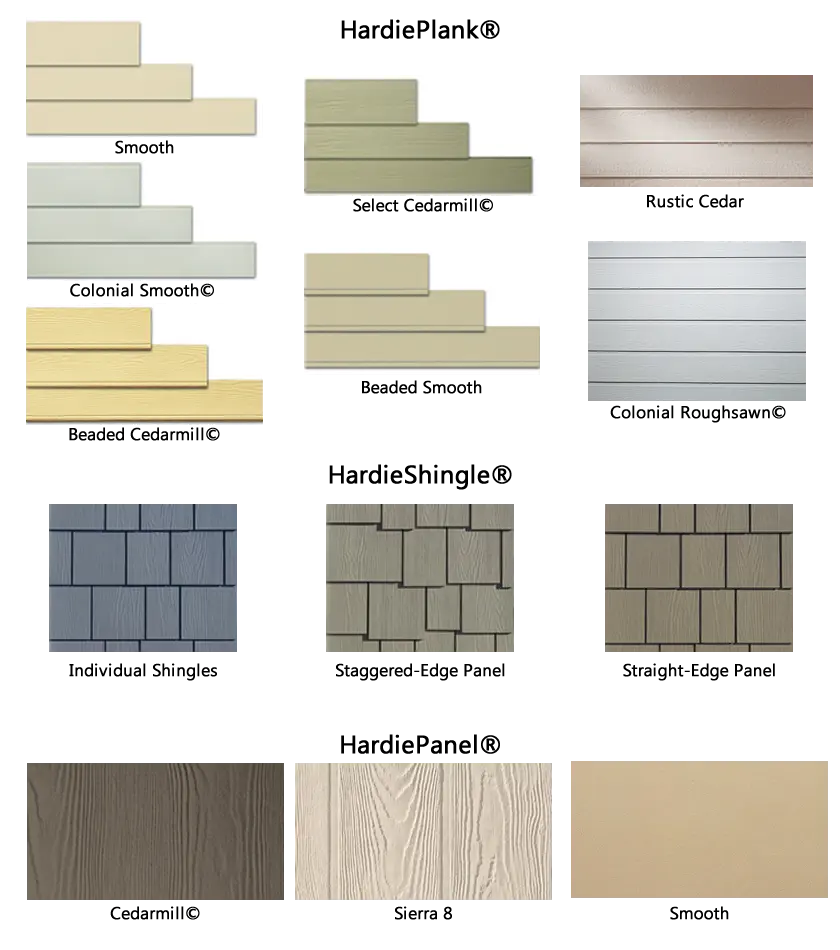
Hardie Plank comes in several profiles, each catering to different architectural styles. The most popular are:
- Traditional Lap: Ideal for colonial and craftsman homes, offering a subtle shadow line.
- Shingle: Works well on cottages and beach houses, providing a textured, rustic look.
- Board‑and‑Batten: Frequently used for modern farmhouse designs, delivering a bold vertical emphasis.
To ensure a seamless visual transition, match the profile’s exposure (the distance between each board) to the scale of your house. A 12‑inch exposure looks balanced on a two‑story home, whereas a 6‑inch exposure suits a modest single‑story bungalow.
Integrating Hardie Plank with Other Exterior Elements
Hardie Plank pairs well with complementary products, such as gutter leaf guards and trim boards. Installing a Gutter Leaf Guard helps prevent debris buildup that could otherwise trap moisture against the siding, preserving the integrity of the fiber‑cement panels.
For a cohesive façade, consider using James Hardie’s matching trim or a contrasting metal accent. The Metal Siding 2026 guide details best practices for combining metal and fiber‑cement without creating thermal bridges.
Step‑by‑Step Installation Guide
Proper installation is critical to unlock Hardie Plank’s performance benefits. Below is a concise, actionable workflow that aligns with the 2026 International Residential Code (IRC) requirements.
1. Planning and Permitting
• Verify local building codes and obtain a permit. Many municipalities now require a wind‑load certification for fiber‑cement panels in hurricane‑prone zones (e.g., Florida, Gulf Coast).
• Conduct a moisture inspection of the existing sheathing. Replace any damaged plywood or OSB to provide a solid substrate.
2. Preparing the Wall Surface
• Install a weather‑resistive barrier (WRB) such as Tyvek® or a self‑adhered membrane. The 2025 Building Envelope Council recommends a minimum of 60 mil WRB for fiber‑cement applications.
• Apply a starter strip along the bottom edge to keep the first course level. Use a galvanized nail gun and 1‑inch nails spaced 6 inches apart.
3. Cutting and Handling
• Use a carbide‑tipped circular saw with a dust extraction system; fiber‑cement dust contains silica and requires a NIOSH‑approved respirator.
• For tight cuts around windows or doors, a multi‑tool with a fine‑tooth blade reduces chipping.
4. Fastening the Panels
• Follow the manufacturer’s recommendation of 6 inches on center for studs and 12 inches on center for joists. In high‑wind zones, increase fastener spacing to 4 inches.
• Use corrosion‑resistant screws (e.g., stainless‑steel or hot‑dipped galvanized) with a minimum head diameter of 0.138 inches to prevent pull‑through.
5. Joints and Sealing
• Stagger joints at least 12 inches vertically to enhance strength and water shedding.
• Apply a high‑quality exterior acrylic caulk at all seams, corners, and around penetrations. The 2026 ASTM C1193 standard outlines acceptable caulk performance for fiber‑cement.
6. Finishing
• After installation, allow the panels to cure for 48 hours before priming.
• Apply a 100% acrylic, permeable paint system. Hardie’s recommended coating system, “HardiePaint® Pro,” offers UV protection and retains the material’s breathability.
Common Mistakes and How to Avoid Them
Even seasoned contractors can slip up. Here are the pitfalls that most DIY enthusiasts encounter:
- Skipping the WRB: Without a proper barrier, moisture can infiltrate the wall cavity, leading to mold growth. A simple Tyvek installation adds less than $0.30 per square foot.
- Improper fastener length: Using nails that are too short can cause panel warping. The rule of thumb is to embed fasteners at least 1‑inch into the framing.
- Over‑drilling holes: Excessive clearance weakens the panel’s structural integrity, reducing its wind‑load rating.
- Poor paint selection: Oil‑based paints trap moisture and may cause blistering. Opt for breathable acrylic paints approved by James Hardie.
Maintenance Tips for Long‑Term Performance
Hardie Plank’s low‑maintenance reputation holds true when you follow a simple upkeep schedule:
- Annual inspection: Look for cracked caulk, loose fasteners, or signs of water intrusion after heavy rain.
- Cleaning: Use a garden hose and a soft‑bristle brush with a mild detergent. Avoid power washers set above 1500 psi to prevent surface damage.
- Re‑painting: Plan a repaint every 10–15 years, or sooner if the paint shows fading. The coating system’s warranty typically covers 20 years for color retention.
When replacing damaged panels, match the profile, exposure, and paint color to preserve the home’s visual integrity. If you need guidance on color selection, the Vinyl Siding Mastery guide includes a comprehensive color chart that works equally well for fiber‑cement.
Cost Considerations and Return on Investment
According to a 2026 analysis by Remodeling Magazine, homeowners who installed Hardie Plank reported an average resale value increase of 6.5 % compared to those with standard vinyl siding. Although the material costs $6–$9 per square foot, the following factors improve ROI:
- Energy savings: Reduced HVAC usage lowers utility bills, contributing to a net present value (NPV) gain of $2,300 over 20 years (based on a 3.5 % discount rate).
- Insurance discounts: Many insurers offer a 5 % premium reduction for homes with non‑combustible exterior cladding.
- Durability: A longer lifespan means fewer replacement cycles, saving both material and labor costs.
Real‑World Case Study: A Mid‑Century Modern Home in Austin, TX
In early 2026, a 3,200‑sq‑ft residence underwent a full exterior overhaul using Hardie Plank “Classic Lap” with a 12‑inch exposure. The project budget was $38,000, inclusive of labor, WRB, and premium paint. Post‑installation, the homeowners recorded a 9 % reduction in cooling costs during the 2026 summer heatwave, verified by their smart thermostat data. Moreover, a local real‑estate appraisal noted a $25,000 increase in market value, attributing the uplift primarily to the upgraded façade.
Frequently Asked Questions
Is Hardie Plank suitable for coastal areas?
Yes. Its fiber‑cement composition resists salt‑air corrosion better than metal siding, and the SmartCoat® finish provides additional protection against moisture ingress.
Can I install Hardie Plank over existing vinyl siding?
While technically possible, it’s not recommended. Removing the old siding ensures proper adhesion of the WRB and eliminates hidden moisture traps.
How long does installation typically take?
For a standard 2,000‑sq‑ft home, a crew of three experienced installers can complete the job in 7–10 business days, including weather‑proofing and painting.
What warranty does James Hardie offer?
Hardie Plank comes with a 30‑year limited warranty against structural failure and a 15‑year warranty on the finish when installed according to manufacturer specifications.
Is fiber‑cement safe for indoor air quality?
Yes. The material is non‑volatile and does not emit harmful chemicals. However, during cutting, silica dust must be controlled with proper respiratory protection.
Conclusion: Is Hardie Plank the Right Choice for You?
Hardie Plank siding delivers a compelling mix of aesthetics, performance, and long‑term value that few alternatives can match. Its resistance to fire, rot, and pests, combined with energy‑saving attributes, makes it a smart investment for homeowners seeking durability without sacrificing curb appeal. By following best‑practice installation steps, avoiding common pitfalls, and committing to a modest maintenance schedule, you can enjoy a beautiful, resilient exterior for decades. Whether you’re building from scratch or renovating an older home, Hardie Plank stands out as the premium fiber‑cement cladding solution for 2026 and beyond.
Ready to start your project? Explore our detailed Aluminum Siding Ultimate Guide for complementary insights on integrating mixed‑material façades, or contact a certified Hardie installer near you for a free estimate.