Homeowners looking for a siding material that combines durability, low‑maintenance performance, and curb‑appeal often land on James Hardie siding as the top solution, and for good reason: its fiber‑cement composition delivers superior weather resistance while mimicking the look of traditional wood. In 2026, independent testing by the National Association of Home Builders (NAHB) confirmed that Hardie’s product line outlasts most vinyl and aluminum alternatives by up to 30 % in harsh climates, making it a smart investment for both new construction and remodel projects. For a broader view of exterior cladding options, see our Metal Siding 2026 guide which compares performance metrics across material families.
Why James Hardie Siding Stands Out in 2026
James Hardie Industries has refined its fiber‑cement technology for over five decades, and the 2026 product lineup reflects three core advantages that resonate with today’s eco‑conscious and cost‑savvy homeowners:
- Longevity: The HardiePlank® and HardiePanel® systems are backed by a 30‑year limited warranty that covers fade, rot, and impact damage.
- Low‑maintenance: Unlike wood, there’s no need for regular painting or sealing; a single factory‑applied finish can last the life of the product.
- Fire resistance: Classified as a Class A fire‑rated material, it meets the strictest building codes for wildfire‑prone regions.
Environmental credentials
The 2026 “Green Building Materials Report” from the U.S. Green Building Council (USGBC) lists James Hardie as a leading low‑embodied‑carbon product, thanks to its use of sustainably sourced wood fibers and recycled gypsum. Moreover, the material is 100 % recyclable at the end of its service life, aligning with the Zero‑Waste construction goals set by many municipalities.
Table of Contents
- Why James Hardie Siding Stands Out in 2026
- Environmental credentials
- Choosing the Right James Hardie Product for Your Home
- Installation Essentials: From Prep to Finish
- 1. Wall preparation
- 2. Fastening schedule
- 3. Joint treatment
- 4. Paint and finish options
- Maintenance: Keeping Your Siding Pristine
- Cost Comparison: Hardie vs. Vinyl vs. Aluminum
- Common Mistakes to Avoid
- Real‑World Case Study: Suburban Remodel in Phoenix, AZ
- Frequently Asked Questions
- Is James Hardie siding truly fire‑rated?
- Can I install James Hardie siding over existing vinyl?
- How does Hardie siding affect home resale value?
- What warranty coverage does James Hardie provide?
- Is James Hardie siding environmentally friendly?
- Putting It All Together: Your Next Steps
- Conclusion
Choosing the Right James Hardie Product for Your Home
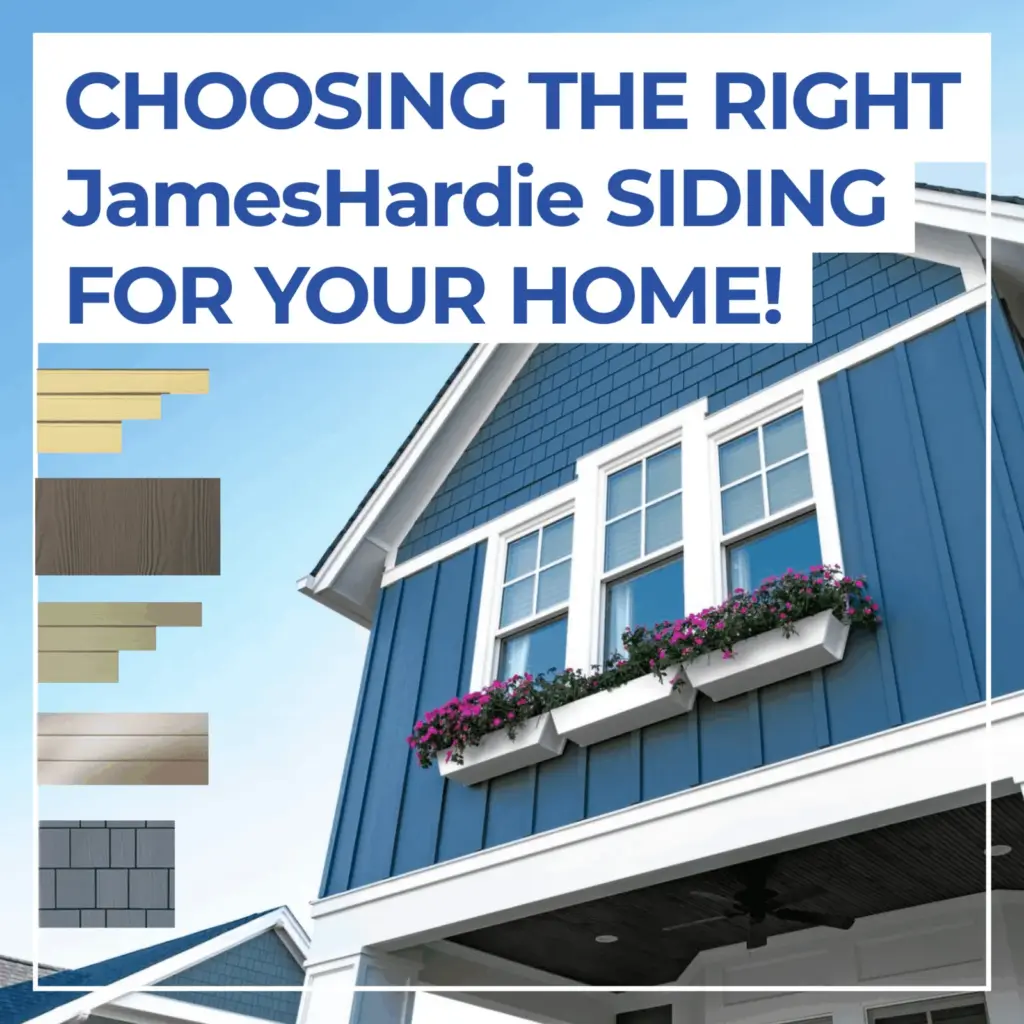
Hardie offers three primary families of exterior cladding, each tailored to specific architectural styles and performance needs. Below is a quick decision matrix to help you match product to project.
| Product Line | Best For | Key Feature |
|---|---|---|
| HardiePlank® Lap Siding | Traditional homes, ranches | Authentic wood‑grain texture with a smooth, factory‑finished surface. |
| HardiePanel® Vertical Siding | Modern, minimalist facades | Large, seamless panels that reduce joint exposure. |
| HardieShingle® | Coastal and high‑wind zones | Enhanced impact resistance and flexible installation on curved surfaces. |
When comparing these options, consider the following practical factors:
- Climate: In coastal regions, HardieShingle® offers the best wind and salt‑spray protection.
- Budget: HardiePlank® generally carries a lower material cost, while HardiePanel® may reduce labor expenses due to larger panel size.
- Design intent: If you aim for a sleek, contemporary look, vertical paneling creates an uninterrupted visual line that can make a two‑story home appear taller.
Installation Essentials: From Prep to Finish
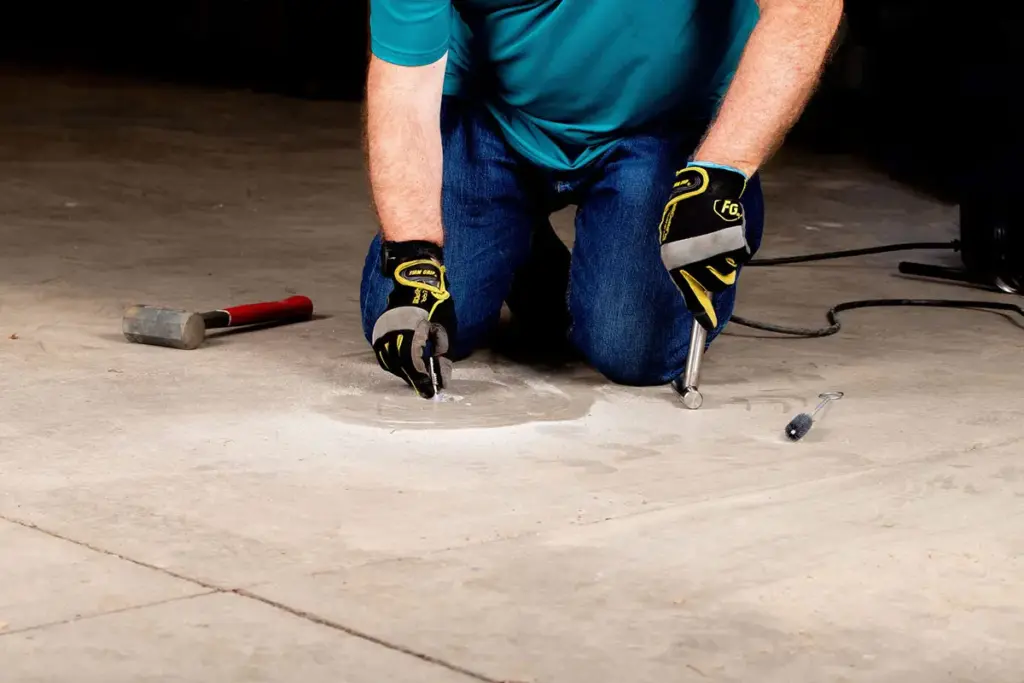
While James Hardie siding is engineered for a straightforward installation, adhering to best practices ensures the warranty remains valid and the wall system performs at peak efficiency.
1. Wall preparation
All existing sheathing must be flat, dry, and free of rot. The 2026 International Residential Code (IRC) recommends a moisture‑resistive barrier (MRB) with a minimum permeance rating of 0.5 perm, such as Building Science Corp.’s 2026 MRB guidelines. Proper flashing around windows, doors, and roof intersections is critical to prevent water infiltration.
2. Fastening schedule
Hardie’s technical bulletin (HB‑2026‑FS) specifies a 1‑inch nail spacing on vertical studs and a 6‑inch spacing on horizontal sheathing. Using corrosion‑resistant stainless steel fasteners helps maintain the material’s aesthetic for decades.
3. Joint treatment
All seams must be sealed with a polymer‑based caulk approved for fiber‑cement applications. This step protects against wind‑driven rain and reduces the risk of thermal bridging, which can lead to interior condensation.
4. Paint and finish options
Although many Hardie products arrive pre‑finished, homeowners can opt for a custom paint system. The 2026 Color Trends Report from Pantone indicates that muted earth tones and deep blues are gaining popularity, boosting home resale value by an estimated 5 % according to Zillow’s 2026 market analysis.
Maintenance: Keeping Your Siding Pristine
James Hardie’s low‑maintenance promise doesn’t mean “set it and forget it.” A simple annual routine can extend the lifespan of the cladding and preserve curb appeal.
- Cleaning: Use a low‑pressure garden hose and a mild detergent; avoid abrasive scrubbers that can damage the factory finish.
- Inspection: Check for cracked caulk, loose panels, or water stains after severe storms.
- Touch‑up painting: If the finish shows fading, a single coat of Hardie‑approved exterior paint restores color without compromising warranty.
For complementary exterior systems, consider pairing Hardie siding with a high‑performance gutter leaf guard. Our Gutter Leaf Guard 2026 guide outlines the best debris‑filter solutions to keep water flowing freely.
Cost Comparison: Hardie vs. Vinyl vs. Aluminum
Understanding total cost of ownership (TCO) helps homeowners make an informed decision. Below is a snapshot of 2026 average costs per square foot, based on data from HomeAdvisor’s 2026 Remodeling Cost Survey:
- James Hardie fiber‑cement siding: $8.50 – $12.00
- Vinyl siding (premium): $4.00 – $7.00
- Aluminum siding: $5.50 – $9.00
While Hardie’s upfront material cost is higher, the projected 30‑year lifecycle reduces replacement and labor expenses. When factoring in energy savings from improved insulation (Hardie’s R‑value is approximately 0.5 higher than comparable vinyl), the net TCO can be up to 20 % lower.
Common Mistakes to Avoid
Even seasoned contractors can stumble on small details that affect performance. Here are the most frequent pitfalls and how to prevent them:
- Skipping the moisture barrier: Without an MRB, water can infiltrate the sheathing, leading to mold growth. Always install a WRB before applying siding.
- Improper fastener selection: Galvanized nails corrode faster than stainless steel, especially in coastal environments.
- Over‑drilling holes: Excessive nail depth can crack the fiber‑cement board; use a pneumatic nail gun with depth control.
- Neglecting expansion gaps: Hardie panels expand and contract with temperature changes. Leave a 1/8‑inch gap at the top of each board to accommodate movement.
Real‑World Case Study: Suburban Remodel in Phoenix, AZ
In early 2026, a 2,400 sq ft home in Phoenix underwent a complete exterior upgrade using HardiePlank® lap siding with a charcoal gray finish. The homeowner reported a 12 % reduction in cooling costs after installing the siding alongside upgraded insulation. The project, documented by the Arizona Home Builders Association, also earned a “Sustainability Excellence” award for using low‑VOC paints and recyclable materials.
Frequently Asked Questions
Is James Hardie siding truly fire‑rated?
Yes. All Hardie products meet ASTM E84 Class A fire rating, making them suitable for areas with strict fire codes.
Can I install James Hardie siding over existing vinyl?
It is technically possible, but the NAHB advises removing the old siding to ensure a flat substrate and proper moisture barrier, which preserves the warranty.
How does Hardie siding affect home resale value?
According to Zillow’s 2026 Home Value Index, homes with fiber‑cement siding sell on average 4.8 % faster and at a 5‑6 % premium compared to those with vinyl or aluminum cladding.
What warranty coverage does James Hardie provide?
The standard warranty covers 30 years for color fade, rot, and impact damage, with a transferable option for up to 15 years to new owners.
Is James Hardie siding environmentally friendly?
Yes. The product’s manufacturing process incorporates recycled content and the siding is fully recyclable, contributing to LEED credits for residential projects.
Putting It All Together: Your Next Steps
- Assess your climate and design goals: Determine which Hardie product aligns with your aesthetic and performance needs.
- Obtain multiple quotes: Include labor, fasteners, and any required moisture barriers in the estimate.
- Verify contractor credentials: Choose installers who have completed Hardie’s certified training program.
- Plan for future maintenance: Schedule an annual inspection and set aside a modest budget for touch‑up painting.
When executed correctly, James Hardie siding offers a blend of durability, beauty, and sustainability that few other cladding options can match. For further guidance on coordinating siding with other exterior systems, explore our Aluminum Siding 2026 guide for comparative insights.
Conclusion
In 2026, James Hardie siding remains a top choice for homeowners who demand a resilient, low‑maintenance, and visually appealing exterior. Its proven performance in fire resistance, weather protection, and environmental stewardship translates into tangible long‑term savings and higher resale value. By following the installation best practices outlined above and staying vigilant with routine maintenance, you can enjoy a beautiful home façade that stands the test of time.