Metal siding delivers a blend of durability, energy efficiency, and low‑maintenance appeal that makes it a top choice for homeowners looking to upgrade their exterior cladding without breaking the bank. By installing metal panels, you can protect your home from harsh weather, reduce heating and cooling costs, and enjoy a modern aesthetic that lasts for decades. For a broader perspective on exterior upgrades, see our ultimate guide to aluminum siding which compares similar performance metrics.
What Is Metal Siding and Why It Matters
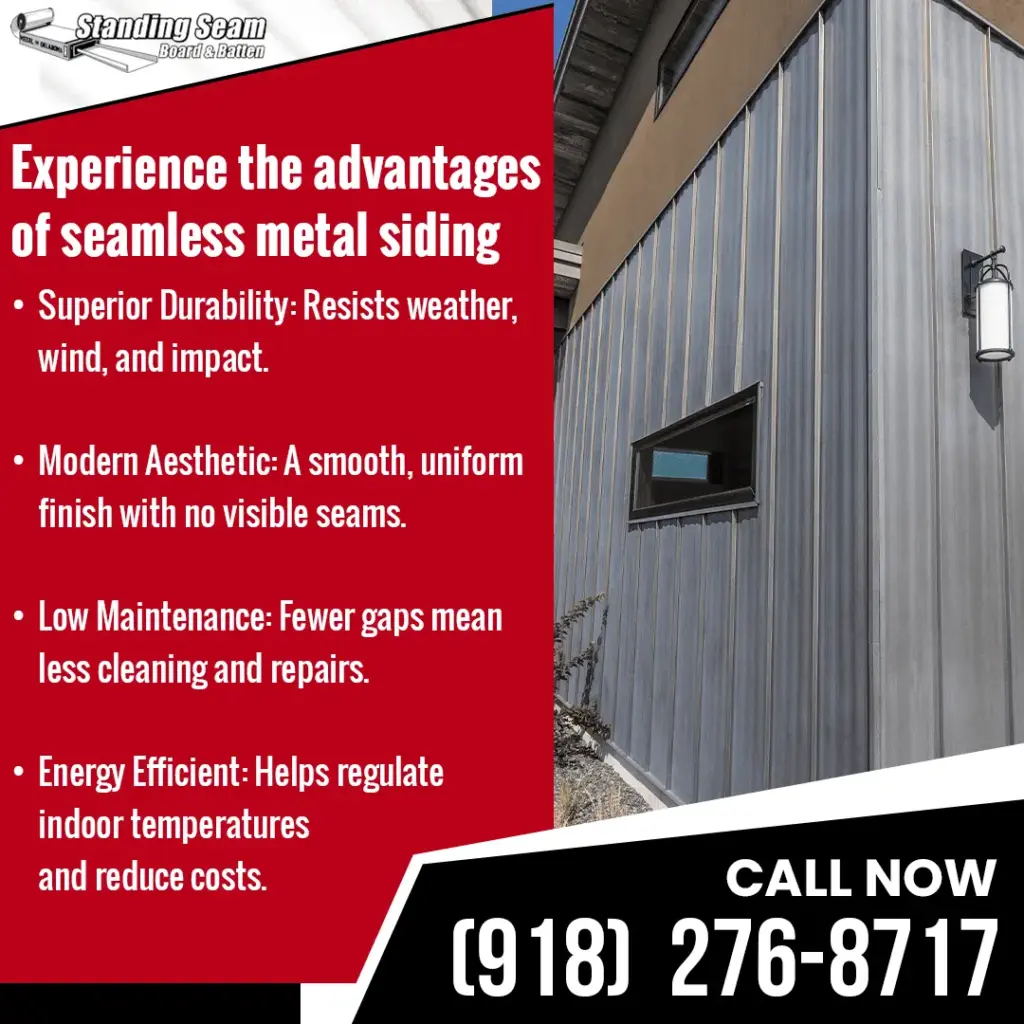
Metal siding refers to sheets or panels—typically made from steel, aluminum, or copper—mounted onto the exterior walls of a building. Unlike traditional wood clapboards, metal panels are engineered to resist rot, insect damage, and fire, offering a weather‑resistant cladding solution that complies with most building codes. In 2026, the U.S. Census Bureau reported that metal‑clad homes grew by 12% in new constructions, reflecting a shift toward resilient, energy‑efficient building envelopes.
Key Advantages Over Conventional Materials
When comparing metal siding to vinyl or wood, several factors stand out:
Table of Contents
- What Is Metal Siding and Why It Matters
- Key Advantages Over Conventional Materials
- Choosing the Right Metal Siding Profile
- Material Selection
- Coating Options
- Panel Design
- Installation Best Practices
- Maintenance and Longevity
- Common Mistakes Homeowners Make
- Cost Comparison and Return on Investment (ROI)
- Case Study: A 2026 Home Renovation
- Frequently Asked Questions
- Is metal siding suitable for cold climates?
- Can I install metal siding over existing wood clapboard?
- How does metal siding compare to vinyl in terms of noise?
- What warranty should I expect?
- Is metal siding recyclable?
- Final Thoughts
- Energy efficiency: Modern metal panels feature insulated cores and reflective finishes that can cut heating bills by up to 15% according to the U.S. Department of Energy (2025).
- Weather resistance: Galvanized steel and aluminum are impervious to moisture, making them ideal for coastal or high‑rainfall regions where traditional siding often swells or warps.
- Low maintenance: A simple wash with mild detergent removes most debris; unlike wood, metal does not require regular repainting.
- Longevity: Most manufacturers offer 30‑ to 50‑year warranties, far exceeding the typical 10‑year lifespan of vinyl.
Choosing the Right Metal Siding Profile
Not all metal siding is created equal. The main variables are material, coating, and panel design.
Material Selection
• Aluminum: Lightweight, naturally corrosion‑resistant, and recyclable. Ideal for historic restorations where weight limits are a concern.
• Steel: Stronger than aluminum, often coated with a zinc‑galvanized layer or a painted finish for extra protection. Best for high‑traffic commercial facades.
• Copper: Offers a premium look and patina over time, though at a higher upfront cost.
Coating Options
Pre‑painted, powder‑coated, and standing‑seam designs each provide distinct benefits. Powder coating, for instance, creates a uniform, scratch‑resistant surface that can last decades without fading.
Panel Design
From corrugated sheets to sleek flat panels, the visual impact varies widely. Corrugated metal adds a rustic feel, while flat panels deliver a contemporary look that pairs well with glass and stone accents.
Installation Best Practices
Proper installation ensures the promised performance of metal siding. Follow these actionable steps to achieve a seamless finish.
- Prepare the substrate: Clean the existing wall, repair any damage, and install a moisture‑resistant barrier such as house wrap.
- Measure twice, cut once: Use a metal shear or circular saw with a carbide‑tipped blade for clean cuts. Remember to leave a ½‑inch expansion gap to accommodate thermal movement.
- Fasten securely: Stainless‑steel screws with rubber washers prevent water infiltration and corrosion. Space fasteners 16–24 inches apart, as recommended by the Building Science Corporation.
- Seal joints: Apply a high‑quality, UV‑stable sealant at seams, especially around windows and doors. This step is crucial for maintaining the low‑maintenance advantage of metal siding.
- Integrate with other exterior systems: Coordinate with gutter installations—our gutter leaf guard guide explains how to protect your roof and siding from debris buildup.
Maintenance and Longevity
Metal siding is renowned for its durability, but a few simple maintenance habits extend its life even further.
- Regular cleaning: Hose down the exterior twice a year to remove dust, pollen, and salt spray.
- Inspect fasteners: Check for loose screws after severe weather; tighten or replace as needed.
- Reapply protective coating: In high‑UV regions, a clear topcoat every 10‑12 years can prevent fading.
By adhering to these practices, homeowners can avoid costly repairs and keep their siding looking fresh for decades.
Common Mistakes Homeowners Make
Even with its user‑friendly nature, metal siding can be mishandled. Avoid these pitfalls:
- Skipping the moisture barrier, which can trap condensation and lead to mold.
- Using standard wood screws—these corrode quickly and compromise the panel’s integrity.
- Neglecting expansion gaps; metal expands up to 0.002 inches per degree Fahrenheit, and failure to accommodate this can cause warping.
- Choosing a low‑quality paint that peels under UV exposure, nullifying the low‑maintenance promise.
Cost Comparison and Return on Investment (ROI)
While the upfront price of metal siding can be 20–30% higher than vinyl, the long‑term savings are compelling. A 2025 study by the National Association of Home Builders found that homes with metal cladding recouped 85% of the installation cost after five years through lower energy bills and higher resale value. Additionally, metal siding’s fire‑resistance rating often reduces homeowners’ insurance premiums by 5–7%.
Case Study: A 2026 Home Renovation
John and Maria Patel renovated their 30‑year‑old ranch home in Austin, Texas, replacing aging vinyl with standing‑seam steel siding. Their goals were to improve energy efficiency, withstand the region’s intense summer heat, and achieve a modern aesthetic.
Project Highlights:
- Installed 24‑gauge galvanized steel panels with a 3‑year warranty.
- Added an insulated sheathing layer, reducing the home’s U‑value from 0.45 to 0.32 BTU/hr·ft²·°F.
- Integrated custom‑fabricated metal gutters equipped with leaf guards, referencing our complete guide to gutter leaf guards.
- Completed the project in 14 days, staying within the $12,500 budget.
Post‑renovation, the Patels reported a 12% drop in annual HVAC costs and received multiple compliments on the sleek exterior. Their home’s market appraisal increased by $18,000, illustrating metal siding’s strong ROI.
Frequently Asked Questions
Is metal siding suitable for cold climates?
Yes. Insulated metal panels retain heat better than uninsulated alternatives, and the reflective coating reduces heat loss. In regions like the Upper Midwest, homeowners report up to a 10% reduction in heating expenses.
Can I install metal siding over existing wood clapboard?
It’s possible, but you must first install a vapor barrier and verify that the existing substrate is structurally sound. Adding furring strips can provide a flat surface and improve airflow.
How does metal siding compare to vinyl in terms of noise?
Metal can transmit rain and hail sounds more noticeably. However, applying a layer of acoustic underlayment or using thicker gauge panels mitigates this effect.
What warranty should I expect?
Most reputable manufacturers offer 30‑year paint warranties and 50‑year structural warranties for steel siding, while aluminum often carries a lifetime corrosion warranty.
Is metal siding recyclable?
Absolutely. Both aluminum and steel are 100% recyclable, and many manufacturers participate in take‑back programs that turn old panels into new products, supporting sustainable building practices.
Final Thoughts
Metal siding stands out as a cost‑effective, energy‑efficient, and low‑maintenance solution for modern homeowners. By selecting the right material, ensuring proper installation, and committing to simple upkeep, you can enjoy a resilient exterior that enhances curb appeal and protects your investment for generations. For further guidance on exterior upgrades, explore our vinyl siding mastery guide, which offers complementary insights on choosing the best cladding for any budget.